Phone:
(701)814-6992
Physical address:
6296 Donnelly Plaza
Ratkeville, Bahamas.

Phone:
(701)814-6992
Physical address:
6296 Donnelly Plaza
Ratkeville, Bahamas.
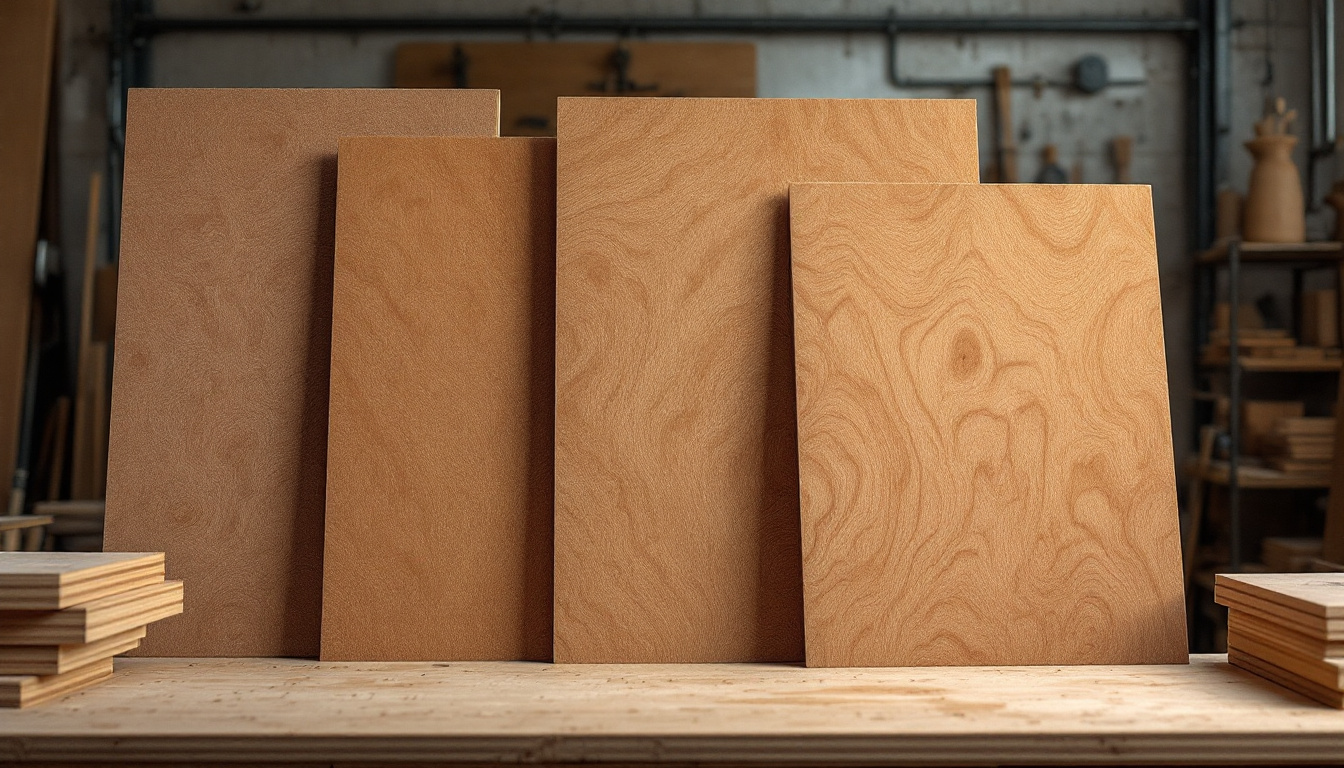
In practice, F14 sits in the “structural but not top-end” zone. It is often chosen because it meets design needs without the cost of higher stress grades.
“F14” is a stress grade that indicates the plywood’s strength and stiffness class for structural design. It can be understood as a performance label that helps engineers and builders select a sheet suitable for calculated loads—especially when comparing material options and evaluating timber LVL formwork prices against structural plywood alternatives.
It does not automatically describe the surface appearance. It also does not guarantee durability in wet exposure unless the product is specifically manufactured and rated for that environment.
F14 is “required” when the project documentation specifies it, such as structural drawings, an engineer’s schedule, or a certified building system. They should treat that specification as mandatory because swapping to a lower grade can reduce capacity and affect compliance.
In many jurisdictions, the building code does not force F14 specifically. Instead, it requires structural adequacy, and the engineer selects a grade like F14 to satisfy that requirement.
They will often see F14 used for structural subfloors and platform floors, including sheet flooring over joists in houses and light commercial work. It is typically selected where span, joist spacing, and live loads need more certainty than non-structural sheeting can provide.
It is also used for stair landings, mezzanine platforms, and areas where concentrated loads or heavy foot traffic are expected, provided the thickness and fixing pattern match the design.
F14 is commonly specified for roof sheathing and diaphragms, especially when the roof plane is part of the building’s bracing system. They might also see it under certain roof coverings where a structural deck is required.
For ceilings, it is less about the ceiling lining and more about structural elements above, such as bracing panels and tie systems. If the drawings show structural plywood in the roof space, F14 is a common callout.
They will see F14 used as structural wall sheathing where the wall needs to resist lateral loads from wind or seismic action. In these cases, the plywood acts like a bracing panel, and the grade helps ensure it performs as assumed in the design.
The “requirement” usually comes from the bracing schedule or engineering notes. It is not just the sheet grade that matters, since nail type, spacing, edge distances, and panel layout often control the final bracing capacity.
F14 can be used for concrete formwork, especially for moderate pours and repeated use where a stronger sheet reduces deflection and surface issues. They may choose it when the formwork needs to hold shape, avoid excessive bowing, and stay safe under wet concrete pressure.
That said, formwork needs the right face and treatment for the finish. A higher grade or a film-faced product may still be specified for cleaner concrete surfaces or more reuse cycles.
Not by default. F14 is a structural grade, but wet or exterior use depends on the plywood’s bond class and durability rating, plus sealing and detailing. They should not assume an F14 stamp alone means it is suitable for long-term moisture exposure.
If the area is frequently wet, the design may specify a suitable exterior-rated structural plywood and then nominate the stress grade, which could be F14 or higher, depending on loads.
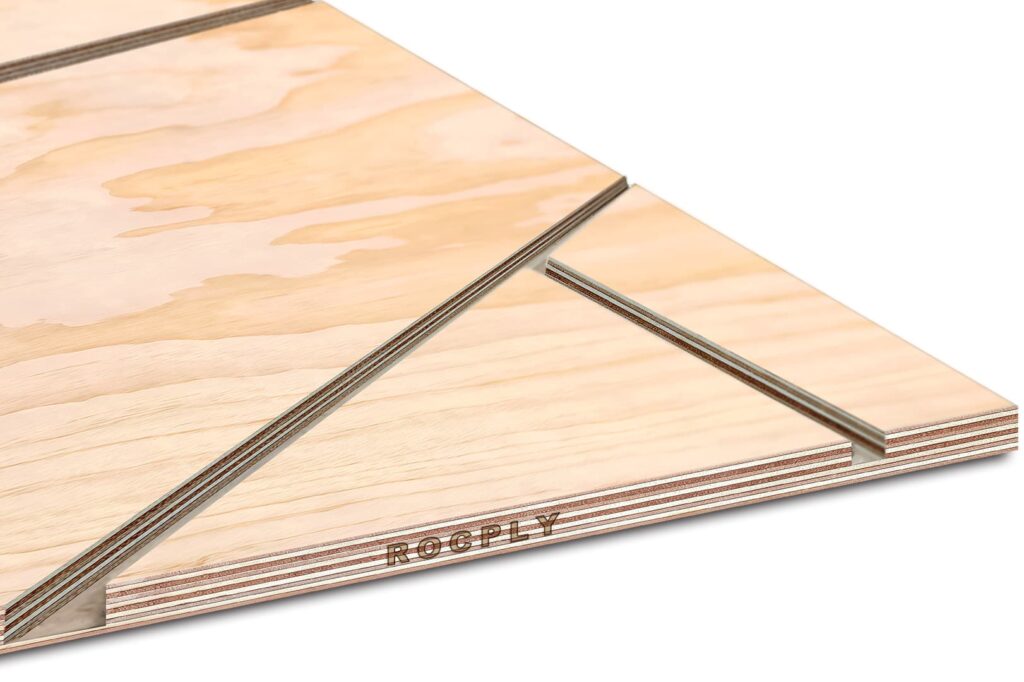
They might choose F14 when the spans are short, loads are moderate, and the design does not demand the extra stiffness of higher grades. It can be a cost-effective choice where performance needs are clear and not over-specified.
A higher grade may be preferred for longer spans, heavier loads, or where deflection control is critical, such as tiled floors, wide joist spacing, or roof diaphragms with high wind demand.
F14 may not be appropriate if the engineer has designed for a higher stress grade, if the panel is in a high-moisture or termite-risk environment without the right durability treatment, or if the application needs a special face grade for finishing.
It is also not a fix for poor installation. If the wrong thickness, spacing, or fastener pattern is used, even correctly graded plywood can underperform.
They should match the sheet’s markings to the job requirements, including stress grade (F14), structural rating, bond or glue line classification, and any relevant certification marks. They should also check thickness, sheet size, and whether tongue-and-groove edges are required for flooring.
If the project is engineered, the safest approach is simple: follow the drawings and product schedule exactly, and confirm substitutions in writing before installation.
F14 is a stress grade indicating the plywood’s strength and stiffness class for structural design. It serves as a performance label helping engineers and builders select sheets suitable for calculated loads, but it doesn’t describe surface appearance or guarantee durability in wet conditions unless specifically rated.
F14 grade plywood is commonly used in floors, roofs, and wall bracing where moderate loads are expected. Typical applications include structural subfloors, platform floors over joists, stair landings, mezzanine platforms, roof sheathing and diaphragms, as well as structural wall sheathing for lateral load resistance.
Not by default. While F14 denotes structural performance, suitability for wet or exterior exposure depends on the plywood’s bond class and durability rating along with proper sealing and detailing. For frequently wet areas, an exterior-rated structural plywood with appropriate moisture resistance should be specified alongside the required stress grade.
F14 is ideal when spans are short, loads are moderate, and extra stiffness from higher grades isn’t necessary. It offers a cost-effective solution meeting clear performance needs. Higher grades like F17 are preferred for longer spans, heavier loads, or situations demanding strict deflection control such as tiled floors or roofs with high wind loads. Click here to get more about concrete plywood vs formply: which performs better?
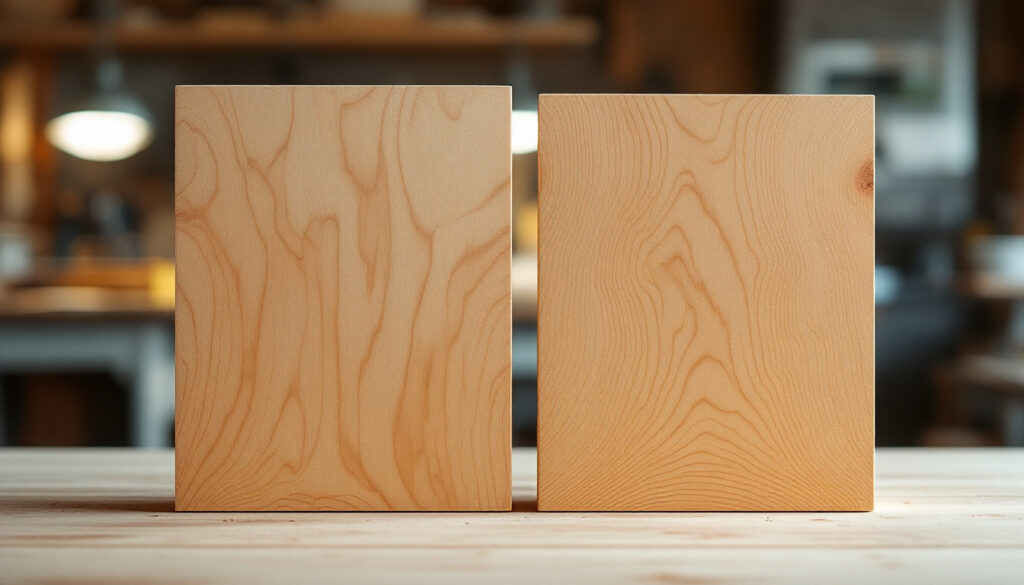
Yes, F14 can be used for concrete formwork involving moderate pours and repeated use where stronger sheets reduce deflection and maintain shape under wet concrete pressure. However, formwork requiring clean concrete finishes or multiple reuse cycles may need higher-grade or film-faced products for better surface quality and durability.
Ensure the sheet markings match job requirements including stress grade (F14), structural rating, bond classification, thickness, sheet size, and edge profile like tongue-and-groove if needed. Always follow engineered drawings and product schedules precisely and confirm any substitutions in writing before installation to maintain compliance and performance.