Phone:
(701)814-6992
Physical address:
6296 Donnelly Plaza
Ratkeville, Bahamas.

Phone:
(701)814-6992
Physical address:
6296 Donnelly Plaza
Ratkeville, Bahamas.
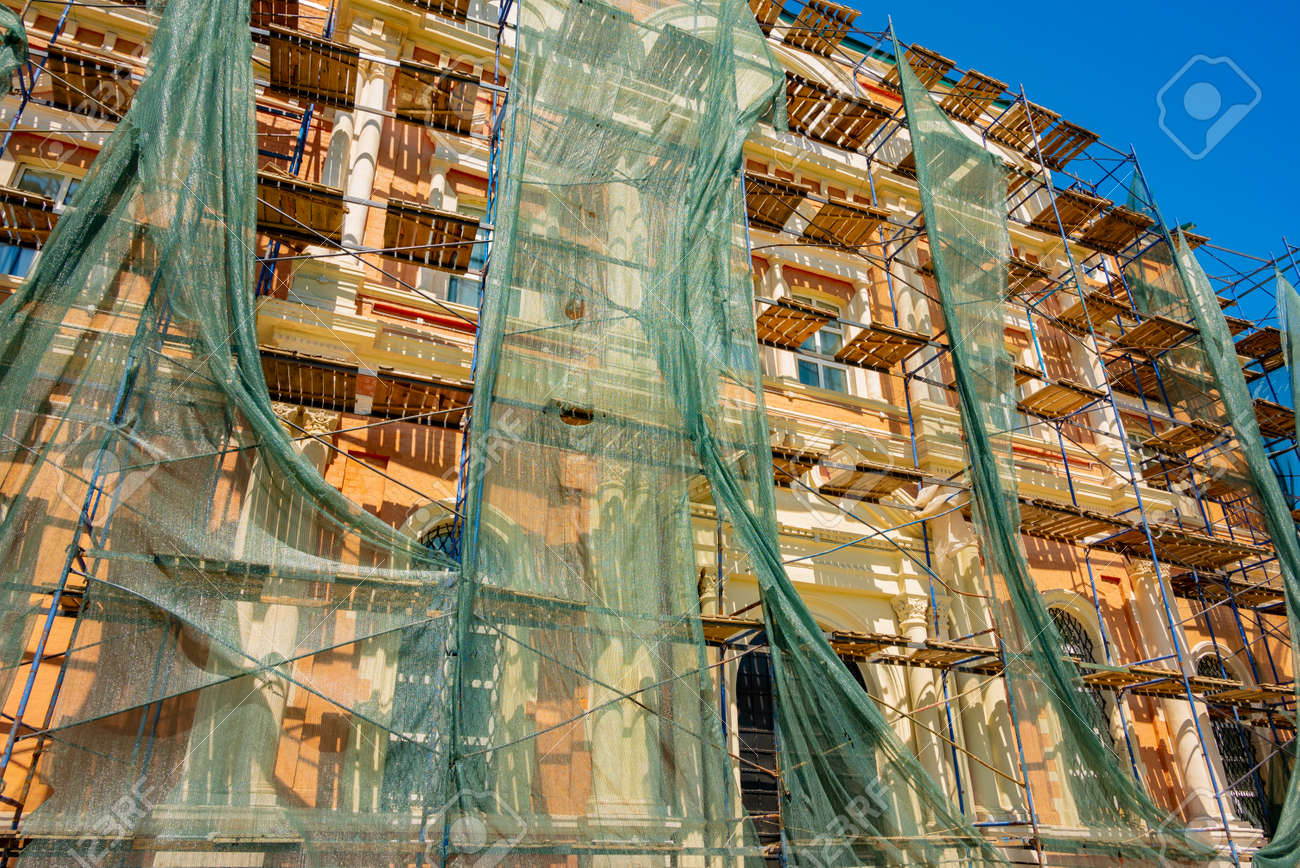
Heat-related illnesses are a serious threat to construction workers, especially when temperatures on exposed scaffolding exceed safe working limits. Without proper protection from the sun, workers are at risk of heat exhaustion, dehydration, and heatstroke, which can lead to a significant drop in productivity.
Construction site safety regulations now recognise that keeping workers cool is not just about their comfort—it’s also a legal and ethical responsibility. Sites that do not have effective strategies in place to manage heat may face higher accident rates, more missed workdays, and potential legal issues. When workers are exposed to extreme heat, their ability to concentrate, react quickly, and make decisions can be severely impaired.
Scaffold shade cloth has become a practical solution for tackling these challenges. This specialised material is used to create protective barriers around scaffolding structures, turning open work areas into shaded spaces. The cloth blocks a significant amount of direct sunlight while still allowing air to flow through, addressing both the need for cooling and ventilation.
The increasing use of scaffold shade cloth shows a larger change in the way construction sites approach safety. Companies now see heat protection as something essential rather than an optional extra. This type of protective material serves multiple purposes at once:
Sites that have proper shade cloth installed are seeing clear improvements in both worker wellbeing and productivity. Investing in ways to keep workers cool leads directly to safer and more efficient construction operations that meet current safety standards while also preventing heat-related injuries among the workforce.
Scaffold shade cloth is a specialised mesh material designed to cover scaffolding structures, creating a protective barrier between workers and the harsh elements. This engineered fabric serves as a temporary enclosure system that wraps around construction scaffolding to shield workers from excessive sun exposure whilst maintaining adequate ventilation for comfortable working conditions.
The most common materials used in scaffold shade cloth production include:
These materials undergo a specialised knitting process that creates a mesh structure with controlled permeability. The knitted construction allows manufacturers to achieve precise shade densities whilst maintaining the fabric’s strength and flexibility. HDPE variants typically feature a tighter weave pattern, making them ideal for sites requiring maximum sun protection and debris containment.
Scaffold shade cloth works through a two-fold cooling mechanism. The fabric’s mesh structure blocks up to 90% of direct sunlight, dramatically reducing the amount of solar radiation that reaches workers on scaffolding platforms. This substantial reduction in direct sun exposure translates to measurably lower surface temperatures on metal scaffolding components, which can otherwise become dangerously hot to touch.
The material’s open-weave design creates a critical balance between protection and ventilation. Small openings in the mesh allow air to circulate freely through the fabric, preventing the greenhouse effect that would occur with solid barriers. This continuous airflow carries away heat that accumulates near the scaffolding structure, maintaining a more tolerable working environment even during peak temperature hours.
The shade cloth’s effectiveness in heat reduction comes from its ability to spread out solar radiation. Instead of just blocking light, the material scatters and absorbs UV rays before they can reach the work area. This diffusion process lowers ambient temperature by several degrees, creating a noticeable difference in worker comfort levels throughout the day.
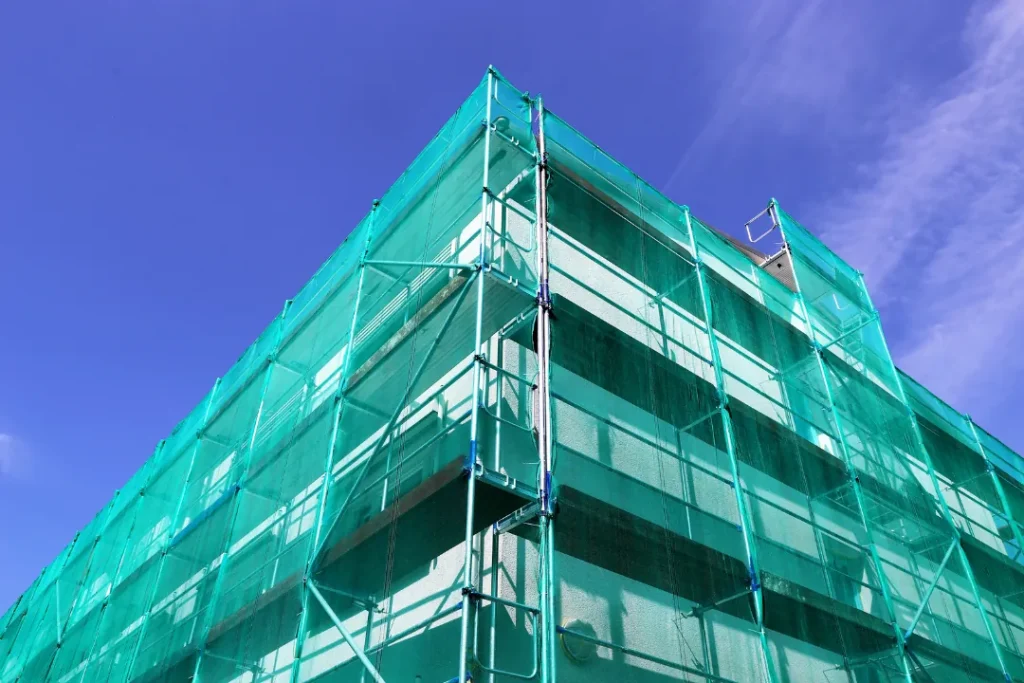
Scaffold shade cloth helps reduce heat stress by creating a barrier between workers and direct sunlight, lowering temperatures in work areas by several degrees. This layer of protection intercepts solar radiation before it reaches workers, preventing the intense heat buildup that usually happens on exposed scaffolding during peak hours.
The tightly woven fabric of scaffold shade cloth blocks 50% to 90% of solar radiation, depending on the chosen material density. When sunlight hits the cloth surface, the material absorbs and deflects heat energy instead of letting it pass through to workers below. This barrier effect is especially beneficial during midday hours when the sun is at its strongest and heat stress risks increase significantly.
Construction workers working under properly installed shade cloth have lower skin temperatures compared to those on unprotected scaffolding. The reduced exposure to radiant heat allows the body’s natural cooling mechanisms to work more effectively, preventing dangerous increases in core body temperature that can lead to heat exhaustion.
Unlike solid barriers, scaffold shade cloth has a design that allows air to flow freely through the work area. The knitted polyethylene structure has tiny gaps that let air circulate while still blocking harmful UV rays and reducing direct heat exposure.
This breathable quality prevents the greenhouse effect that occurs with non-permeable coverings. Hot air rises and escapes through the material instead of getting trapped underneath the shade cloth. Cooler air from surrounding areas comes in to replace it, creating a natural ventilation system that cools down workers without needing mechanical assistance.
The balanced permeability ensures workers benefit from:
Scaffold shade cloth offers important protection against UV rays that goes beyond just reducing heat stress. The material blocks up to 95% of harmful ultraviolet radiation, shielding workers from immediate sunburn and long-term skin damage.
Scaffold shade cloth creates a physical screen that captures airborne particles before they reach workers or drift beyond the construction site perimeter. The tightly woven mesh structure intercepts dust, small debris fragments, and construction particulates generated during cutting, grinding, drilling, and demolition activities.
The dust barrier function operates through the cloth’s knitted polyethylene or HDPE construction, which features thousands of tiny apertures that filter particles whilst maintaining breathability. When workers perform tasks like concrete cutting or masonry work, the shade cloth captures the resulting silica dust and prevents it from becoming airborne hazards. This containment system proves particularly valuable in urban construction environments where neighbouring buildings, vehicles, and pedestrians require protection from construction-related contamination.
Workers exposed to construction dust face significant respiratory risks, including silicosis, chronic obstructive pulmonary disease (COPD), and occupational asthma. Scaffold shade cloth reduces airborne particulate concentrations within the work zone by up to 70%, creating a cleaner breathing environment. The mesh acts as the first line of defence, capturing larger particles immediately whilst allowing smaller, less harmful particles to disperse through the permeable fabric.
The air quality improvement extends beyond dust control. Scaffold mesh also traps:
The debris protection capabilities of scaffold shade cloth safeguard more than just workers. Neighbouring properties benefit from reduced contamination of windows, vehicles, outdoor furniture, and landscaping. Property owners near construction sites frequently report damage claims related to dust accumulation and falling debris—scaffold mesh significantly minimises these incidents.
Commercial districts particularly value this containment feature. Restaurants with outdoor seating, retail shops with display windows, and office buildings with ventilation systems all benefit when construction sites deploy effective barrier systems. The shade cloth prevents dust infiltration into nearby HVAC systems, reducing maintenance costs and improving indoor air quality for
The effectiveness of scaffold shade cloth hinges on specific material properties engineered to withstand harsh construction environments. High-density polyethylene (HDPE) and knitted polyethylene materials dominate the market due to their superior performance characteristics that directly impact worker comfort.
UV resistance stands as the most critical property for scaffold shade cloth longevity. Materials treated with UV stabilisers prevent degradation from continuous sun exposure, maintaining their structural integrity and shade-providing capabilities for years. Without adequate UV protection, shade cloth deteriorates rapidly—fibres weaken, colours fade, and the fabric loses its ability to block harmful rays effectively.
Quality scaffold shade cloth typically includes UV inhibitors integrated during manufacturing. These additives absorb or reflect ultraviolet radiation before it can break down the polymer chains. Construction sites in regions with intense sunlight benefit particularly from high-grade UV-resistant materials, which can maintain their protective properties for 5-10 years depending on exposure levels.
The UV resistance also preserves the cloth’s cooling effectiveness. Degraded materials develop holes and thin spots that allow more direct sunlight through, compromising the temperature reduction workers depend on during peak heat hours.
Flame retardant treatments add a crucial safety dimension to scaffold shade cloth. Construction sites contain numerous ignition sources—welding sparks, grinding operations, electrical equipment—making fire resistance essential. Treated materials resist ignition and slow flame spread, providing workers precious time to evacuate if a fire occurs.
These treatments work through chemical additives that either create a protective char layer when exposed to heat or release fire-suppressing gases. Many manufacturers apply flame retardants during production, ensuring consistent coverage throughout the material rather than surface-only protection.
Compliance with fire safety standards varies by region, but many construction projects now mandate flame-retardant scaffold coverings. The treatment doesn’t compromise the cloth’s breathability or cooling properties, allowing sites to maintain both thermal comfort and fire safety simultaneously.
Scaffold shade cloth must endure constant physical stress—wind loads, installation handling, accidental impacts from materials.
Shade density options directly determine how much sunlight reaches workers, with 50% and 90% coverage representing the most common choices on construction sites. The percentage indicates how much light the cloth blocks—50% shade cloth allows half the sunlight through, whilst 90% coverage blocks nearly all direct rays.
This lighter density provides moderate sun protection whilst maintaining excellent visibility and natural light penetration. Workers benefit from reduced heat exposure without feeling enclosed in darker conditions. The increased light levels help maintain alertness and allow for detailed work requiring good visibility. Sites choosing 50% coverage typically operate in regions with moderate temperatures or during cooler seasons when maximum sun blocking isn’t necessary.
Higher density cloth creates significantly cooler conditions by blocking up to 90% of direct sunlight. This option proves essential during peak summer months or in regions experiencing extreme heat. Workers experience dramatic temperature drops in shaded areas, reducing heat stress and fatigue. The trade-off involves reduced natural light, which may require supplementary lighting for precision tasks or work in already dim conditions.
The choice between densities affects more than temperature. Lower density options preserve better sightlines through the mesh, improving communication between workers at different scaffold levels. Higher density cloth can create darker working environments, potentially impacting safety if workers struggle to see hazards or read measurements clearly.
Both 50% vs 90% coverage options maintain permeability, yet airflow patterns differ. The 50% option allows more breeze penetration, creating natural ventilation that helps evaporate sweat and cool workers. The 90% density still permits airflow but creates a more sheltered microclimate, which can feel stuffy in humid conditions yet provides welcome protection in dry, intensely hot environments.
Construction managers should evaluate several factors when selecting shade density:
Proper installation begins with securing the shade cloth using purpose-designed fixtures like cable ties, bungee cords, or specialised clips at regular intervals along the scaffold frame. The cloth must be taut enough to prevent excessive flapping in wind, yet not so tight that it restricts natural airflow through the permeable material. Securing shade cloth at 300-500mm intervals along horizontal and vertical scaffold members creates optimal stability whilst maintaining the ventilation properties essential for keeping workers cool.
Key Installation Best Practices:
The installation process should account for wind loading, particularly on exposed sites. Shade cloth rated for wind speeds appropriate to the location prevents premature failure and maintains consistent protection for workers below.
Regular inspections form the backbone of effective maintenance. Site supervisors should examine the shade cloth weekly for tears, fraying edges, or loosened fixings that compromise its protective function. High-traffic areas near access points experience more wear and require closer monitoring. Any damage larger than 100mm should trigger immediate repair or panel replacement to maintain continuous UV protection and heat reduction.
Inspection Checklist:
Documentation of inspection findings creates accountability and helps identify recurring problem areas that may require installation adjustments or more frequent maintenance.
Cleaning routines preserve both the appearance and functionality of scaffold shade cloth. Dust and debris accumulation reduces the material’s permeability, trapping heat rather than allowing cooling airflow. A monthly cleaning schedule using low-pressure water (avoiding
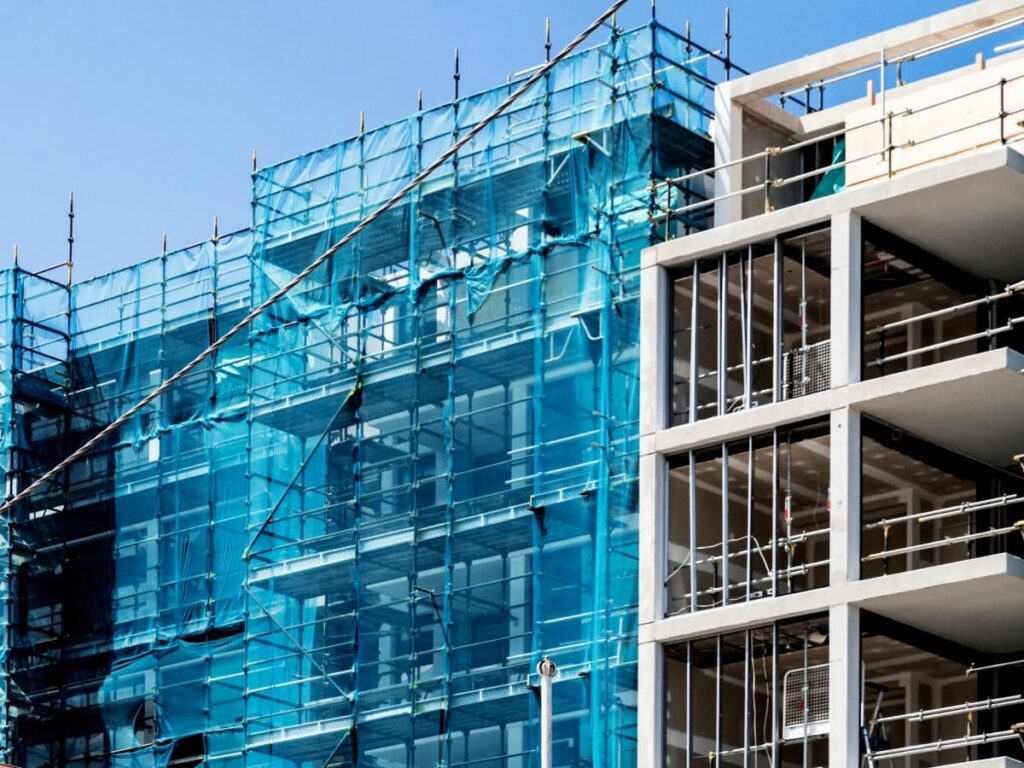
Scaffold shade cloth delivers dual benefits: protecting workers whilst advancing environmental responsibility. Construction companies adopting this solution demonstrate commitment to both worker safety and sustainable building practices, creating measurable advantages across operations.
Reducing heat exposure through scaffold shade cloth directly improves productivity metrics. Workers experiencing less heat stress maintain focus for longer periods, make fewer errors, and require shorter recovery breaks. Sites reporting temperature reductions of 10-15°C beneath shade cloth installations show decreased incident rates and improved task completion times.
Heat stress prevention translates into tangible financial benefits. Companies avoid costs associated with heat-related injuries, reduced insurance premiums, and minimised project delays. A workforce protected from excessive UV exposure experiences fewer sick days and maintains consistent performance throughout summer months.
The recyclable nature of HDPE and knitted polyethylene positions scaffold shade cloth within circular economy principles. These materials withstand multiple project cycles without degradation, reducing replacement frequency. When products reach end-of-life, they enter recycling streams rather than landfills.
Construction firms tracking environmental metrics benefit from:
Investing in quality shade cloth systems signals organisational values. Projects displaying visible heat stress prevention measures attract skilled workers who prioritise employer duty of care. This competitive advantage proves particularly valuable in tight labour markets.
The integration of scaffold shade cloth into standard site protocols demonstrates proactive risk management. Regulatory bodies increasingly scrutinise workplace heat exposure controls, making early adoption of protective measures a strategic compliance move. Companies establishing these practices now position themselves ahead of evolving workplace safety standards.
Prioritising worker comfort and safety during hot weather is essential to prevent heat-related illnesses, maintain productivity, and ensure overall site safety. Using solutions like scaffold shade cloth helps keep workers cool by reducing direct sun exposure, thereby minimising heat stress risks.
Scaffold shade cloth is a knitted polyethylene or high-density polyethylene (HDPE) fabric designed to block up to 90% of direct sunlight. By providing effective shading, it reduces heat exposure on construction sites, helping to maintain cooler conditions for workers beneath.
Scaffold shade cloth serves as a physical barrier against intense sunlight, significantly lowering heat stress. Its breathable permeability allows airflow for natural cooling without trapping heat, while offering UV protection and glare reduction benefits that enhance worker comfort and safety.
Beyond shading, scaffold mesh functions as a protective barrier that limits the intrusion of dust and debris on-site. This improves air quality around workers, safeguarding respiratory health and protecting nearby properties from environmental contaminants.
Effective scaffold shade cloth features UV resistance for prolonged sun exposure durability, flame retardant treatments to enhance fire safety, robust durability to withstand site conditions, and eco-friendly recyclable materials supporting sustainable construction practices.
Shade density options typically range from 50% to 90% coverage. Higher densities offer greater sun protection but reduce light penetration, whereas lower densities allow more natural light but less shading. Choosing the appropriate density balances worker comfort with sufficient illumination on-site.
See more about: Why Pre-Cut formwork lvl Saves Time and Money on Site