Phone:
(701)814-6992
Physical address:
6296 Donnelly Plaza
Ratkeville, Bahamas.

Phone:
(701)814-6992
Physical address:
6296 Donnelly Plaza
Ratkeville, Bahamas.
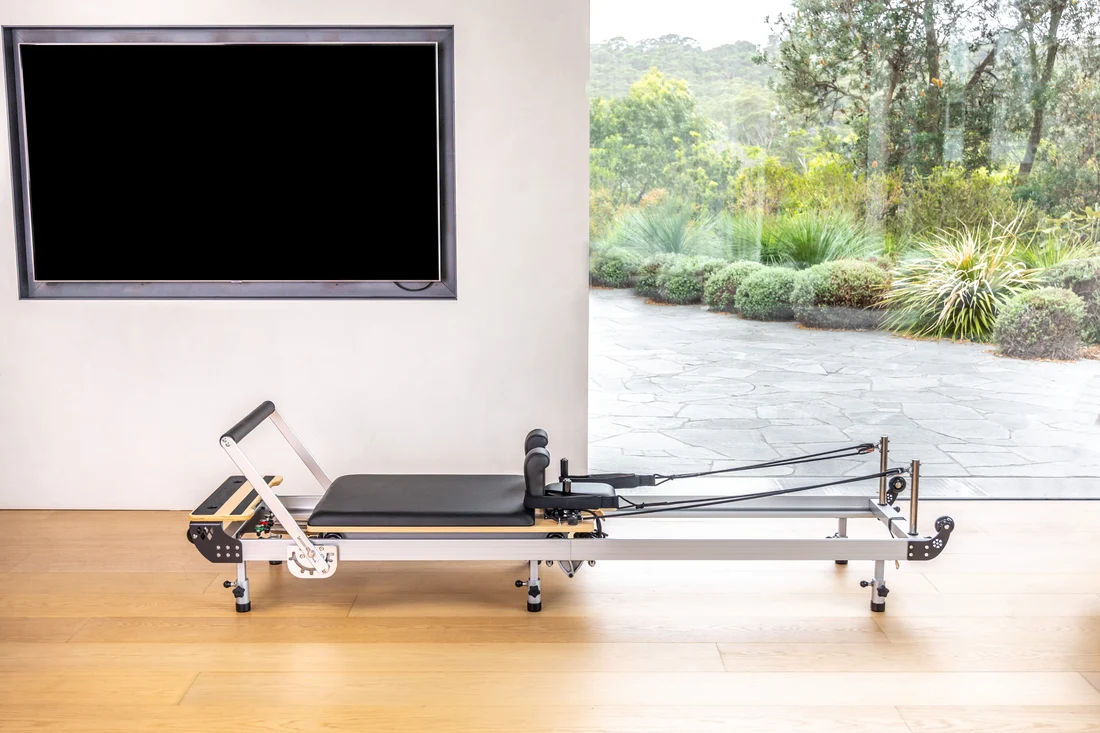
This guide explains how a reformer machine differs from mat work for strength building, using Australian studio and home setups as the context.
The key difference is resistance: a reformer machine adds spring-loaded resistance and guided movement, while mat work relies mostly on bodyweight and gravity. That changes how strength is loaded, progressed, and measured.
In practice, a reformer machine tends to make progressive overload clearer, while mat work tends to build strength through control, leverage, and time under tension.
A reformer machine uses springs, straps, and a moving carriage to create adjustable resistance. They can increase or reduce load in small, repeatable steps, similar to changing weights in a gym.
Mat work uses bodyweight, positioning, and longer holds to create challenge. They often make exercises harder by changing leverage, slowing tempo, or adding unstable positions rather than “adding weight.”
A reformer machine usually makes progressive overload simpler because springs can be tracked session to session. They can move from lighter to heavier settings without changing the whole exercise.
Mat work can still progress effectively, but it is less standardised. They often progress by increasing reps, increasing time under tension, or moving to more advanced variations, which can be harder to quantify.
A reformer machine can load legs through footwork, lunges, and bridging patterns with consistent resistance across the range. They can also bias quads, glutes, or hamstrings by adjusting foot placement and spring choice.
Mat work builds lower-body strength through single-leg work, hip stability drills, and glute activation patterns. They may feel deceptively tough because the stabilisers work hard to control the pelvis and spine.
A reformer machine can strengthen the upper body through pulling, pressing, and shoulder stability using straps and springs. They often find it easier to scale load for rows, triceps work, and chest opening patterns without dumping weight into the wrists.
Mat work can build strong shoulders and triceps with push-up variations, plank series, and prone back work. They may need more careful coaching to avoid overloading wrists or shrugging into the neck.
Both build core strength, but they challenge it differently. A reformer machine often challenges core stability against moving resistance, which can reveal control issues quickly.
Mat work often builds deep endurance and trunk control by removing external assistance. They must organise breath, rib position, and pelvic control with fewer props, which can be powerful for long-term strength.
A reformer machine can provide both, depending on setup. Springs can assist movement for beginners, then become resistance as strength improves.
That flexibility is a major reason many Australian studios use a reformer machine for mixed-ability classes. They can modify quickly for injuries, pregnancy, or low confidence, then progress without changing the whole session.
Mat work happens on a stable surface, but the body must create internal stability without equipment feedback. They control wobble through alignment and muscle recruitment rather than relying on a guided track.
A reformer machine has a guided carriage, yet it introduces instability through moving parts and straps. They may feel stable at first, then realise the carriage punishes momentum and rewards precision.
A reformer machine can target glutes with loaded hip extension, side-lying strap work, and standing sequences that challenge balance. They can often feel glutes “switch on” earlier because resistance is clear and consistent.
Mat work can build glutes well too, especially with single-leg bridges, side planks, and lateral hip work. They may need more deliberate progression and cueing to avoid hamstrings taking over.
A reformer machine often blends strength and mobility in the same rep because springs guide control through a larger range. They can load end ranges safely, which suits people who are stiff but need strength.
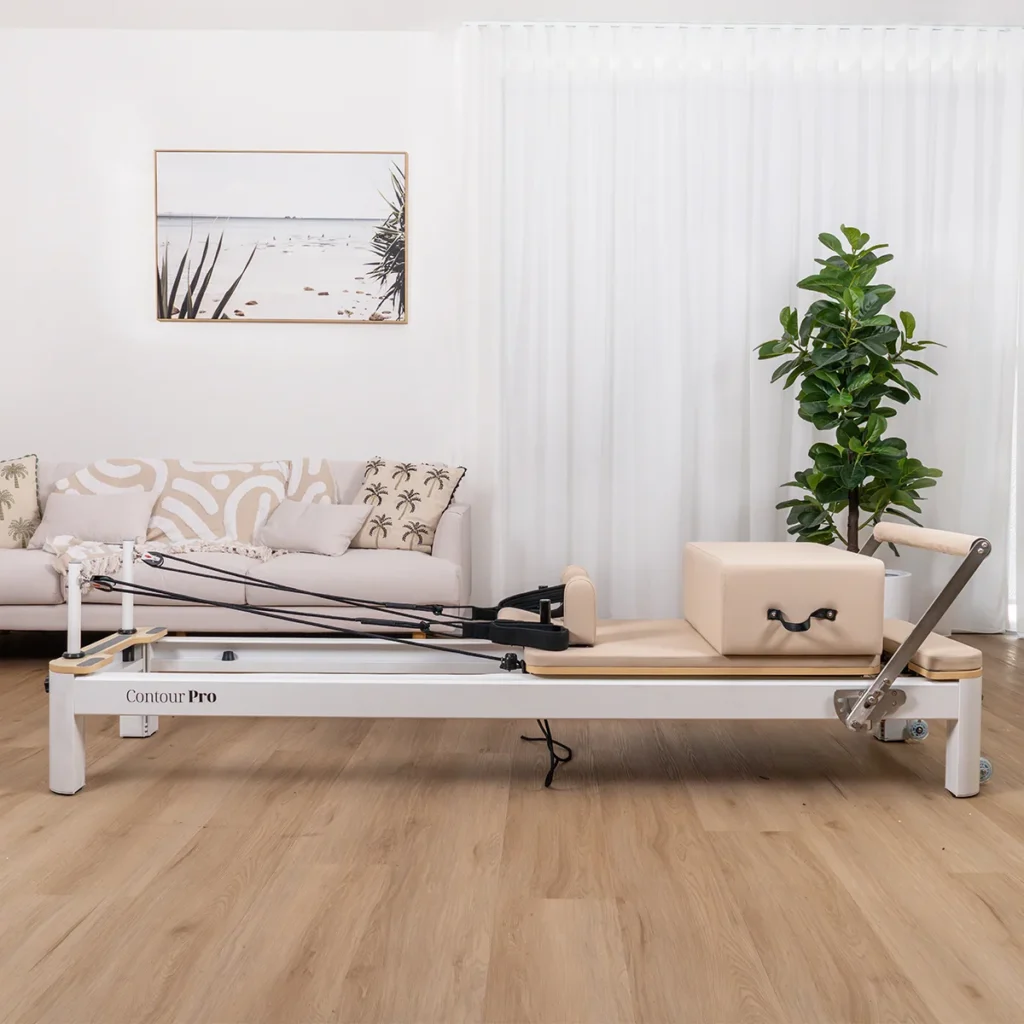
Mat work can also improve mobility, but beginners using Pilates equipment for beginners may find it easier to stay aligned with simple props like blocks or bands at home and find the right range without compensation.
A reformer machine is often more beginner-friendly in a studio setting because instructors can adjust springs and give tactile cues. Many Australian studios in Sydney, Melbourne, Brisbane, Perth, and Adelaide offer intro packs that help them learn safely.
Mat work can be beginner-friendly too, but it depends heavily on coaching and the class pace. They may struggle if they jump into fast flows without mastering basics like breathing, spinal position, and pelvic control.
A reformer machine can reduce impact and allow controlled loading, which many people prefer when returning from injury. They can often modify wrist load, support the spine, and scale resistance precisely.
Mat work can be excellent for rehab-style strength, but it can also flare issues if form breaks down. They may need regressions for wrists, neck tension, hip flexor dominance, or lower-back discomfort.
A reformer machine can make strength gains feel more measurable because spring settings and exercise choices are easy to repeat. They can track improvements like heavier springs, cleaner tempo, and more control under load.
Mat work gains can be just as real, but they show up differently. They may notice deeper holds, smoother transitions, better alignment under fatigue, and improved control rather than a simple “heavier spring” milestone.
A reformer machine is usually more expensive to access because it requires studio equipment or a home setup. In Australia, weekly studio classes can add up, and buying a reformer machine for home can be a significant investment.
Mat work is accessible almost anywhere. They can do it at home, outdoors, or while travelling, and a few small props can create variety without major cost.
Yes, combining both is often the most effective approach. A reformer machine can provide structured resistance and clear progression, while mat work can reinforce foundational control and endurance.
Many people in Australian studios do 1 to 3 reformer sessions weekly and add short mat sessions at home. They often find this mix builds strength without relying on just one method.
A practical plan is two studio reformer sessions plus one short mat session. They get loaded work in class, then use mat work to refine core control and address weak links.
For example, they might do reformer on Monday and Thursday, then 20 to 30 minutes of mat on the weekend. This keeps strength consistent without feeling like a full gym schedule.
They should choose a reformer machine if they want clearer resistance, faster scaling, and guided progress with an instructor. They should prioritise mat work if they want low-cost consistency, travel-friendly training, and strong foundations.
If they can access both, they will often get the best results by using a reformer machine for progressive loading and mat work for control, endurance, and movement quality.
They should look for small class sizes, clear spring guidance, and instructors who cue alignment rather than rushing reps. A good class will progress gradually and offer modifications for common issues like wrists, lower back, or shoulders.
They should also check whether the studio offers beginner reformer fundamentals. That helps them learn how the reformer machine works, so strength building stays safe and consistent.
A reformer machine differs from mat work by offering adjustable resistance, structured progression, and guided movement that suits many strength goals. Mat work builds strength through bodyweight control, leverage, and deep endurance with high accessibility.
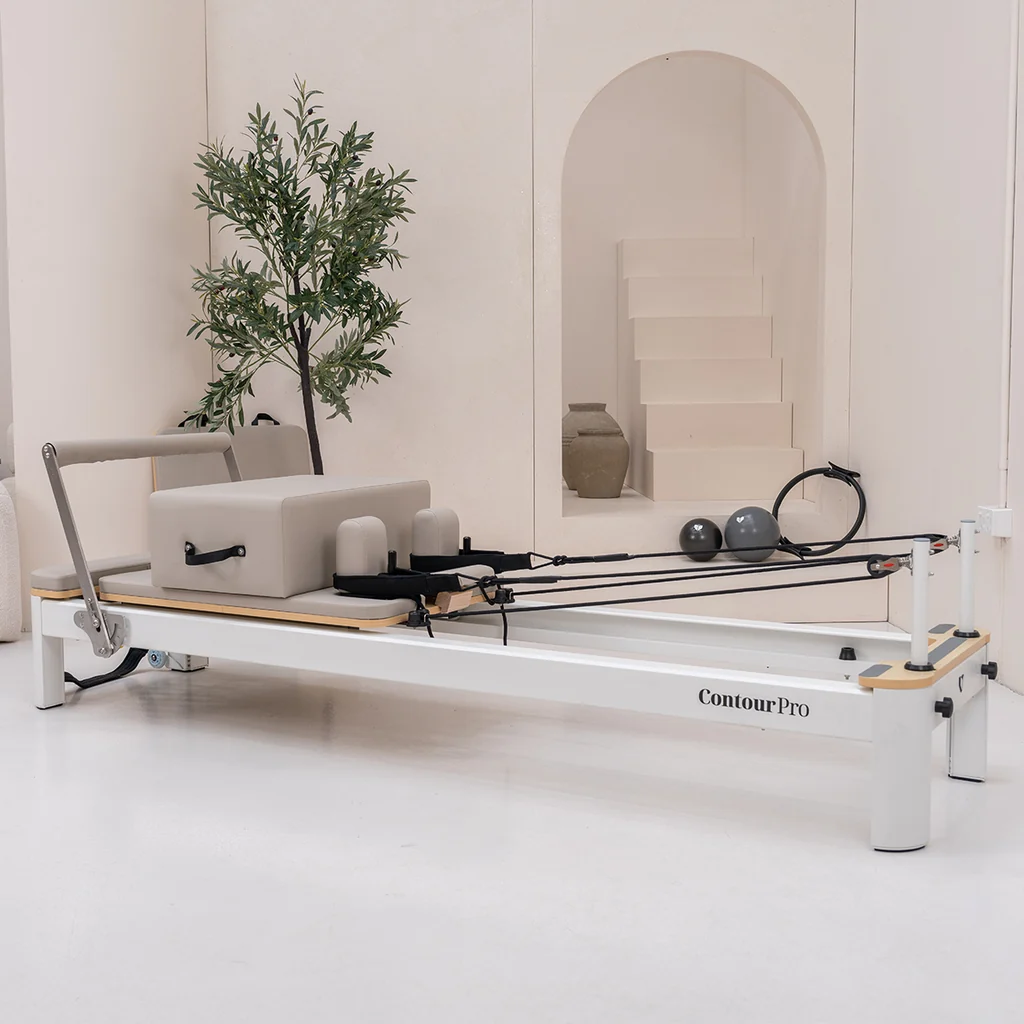
For strength building in Australia, they do not need to pick a “winner.” They can use the reformer machine to load strength and use mat work to make that strength usable, controlled, and long-lasting.
The core difference lies in resistance: a reformer machine provides spring-loaded resistance and guided movement, enabling adjustable and measurable load, while mat work relies primarily on bodyweight, gravity, control, leverage, and time under tension to build strength.
A reformer machine uses springs, straps, and a moving carriage to create adjustable resistance that can be increased or decreased precisely. In contrast, mat work challenges muscles through bodyweight positioning, longer holds, altered leverage, slower tempo, or unstable positions rather than adding external weight.
Pilates on a reformer machine simplifies progressive overload because spring settings can be tracked session to session and adjusted incrementally without changing exercises. Mat work progresses through increased reps, longer time under tension, or advanced variations but is less standardized and harder to quantify.
Reformer Pilates loads the legs consistently through footwork, lunges, and bridging with adjustable resistance that can target specific muscles like quads or glutes. Mat Pilates builds lower-body strength via single-leg exercises, hip stability drills, and glute activation patterns that engage stabilizers controlling the pelvis and spine.
The reformer machine allows scalable upper-body strengthening through pulling, pressing, and shoulder stability exercises using straps and springs with less wrist strain. Mat work develops shoulders and triceps using push-ups, planks, and prone back exercises but requires careful coaching to avoid wrist overload or neck tension.
Pilates on a reformer machine tends to be more beginner-friendly in Australian studios because instructors can adjust spring resistance and provide tactile cues for safe learning. While mat work can also suit beginners, it heavily depends on coaching quality and pacing to ensure mastery of fundamentals like breathing and spinal alignment.
<script type="application/ld+json">
{
  "@context": "https://schema.org",
  "@type": "BlogPosting",
  "mainEntityOfPage": {
    "@type": "WebPage",
    "@id": "https://privateclientrealty.org/how-a-reformer-machine-differs-from-mat-work-for-strength-building/"
  },
  "headline": "How a Reformer Machine Differs From Mat Work for Strength Building",
  "image": [
    "https://privateclientrealty.org/wp-content/uploads/2026/08/PilatesDirect-13.webp",
    "https://privateclientrealty.org/wp-content/uploads/2026/08/LFRF-CONTPROB_media-09_7f394947-3ce5-4984-bc6a-6e0e1147d49f.webp",
    "https://privateclientrealty.org/wp-content/uploads/2026/08/LFRF-CONTPROH_media-09_064b33fa-8b66-4f63-a84c-8c44d256c910_1024x1024.webp"
  ],
  "author": {
    "@type": "",
    "name": "Stephanie Roughley",
    "url": "https://privateclientrealty.org/author/admin/"
  },
  "publisher": {
    "@type": "Organization",
    "name": "Private Client Realty",
    "logo": {
      "@type": "ImageObject",
      "url": "https://privateclientrealty.org/wp-content/uploads/2024/06/logo-new.png"
    }
  },
  "datePublished": ""
}
</script>